Seeing a Wolf in a Dream
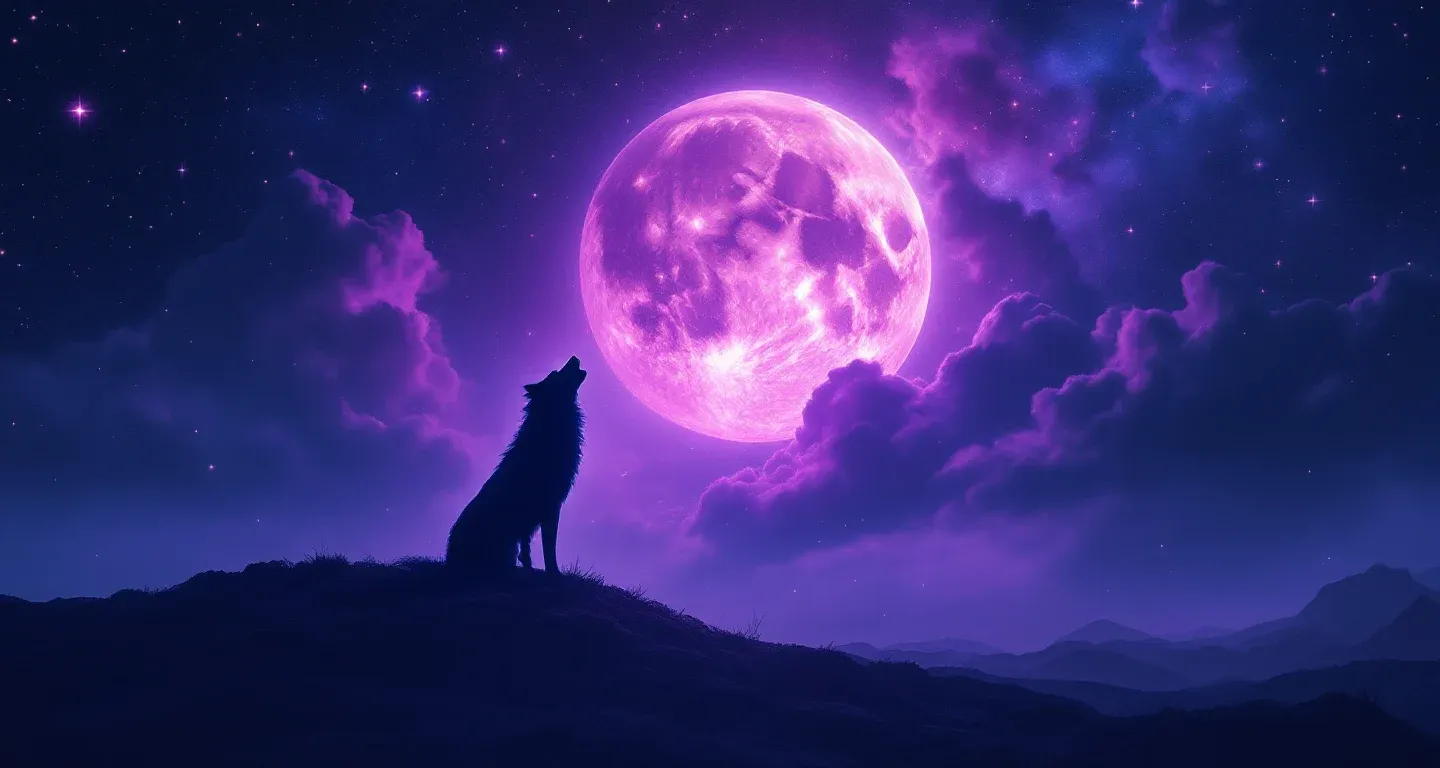
Seeing a wolf in a dream often points to instinct, the need for protection, and alertness in the face of a hidden threat. Sometimes the wolf stands for the lone fighter; other times it reflects the subtle pressure you sense around you. The details change everything: how did the wolf look at you, what did it do, and how did you feel?
General Meaning
Seeing a wolf in a dream is an ancient and powerful call standing at the gate of the dream. The wolf carries two things that live deep within human nature at the same time: the need for protection and the hunter’s instinct. That is why this symbol can whisper danger on one hand, while on the other it taps your shoulder and says, “Defend yourself.” Sometimes the wolf points to people around you, pressure, jealousy, hidden intentions, and harsh competition; other times it brings forward a strong side of yourself that you have forgotten. The wolf’s color, whether it came close to you, whether it appeared alone or in a pack, and even whether it seemed afraid of you can all change the direction of the interpretation.
In traditional dream interpretation, the wolf is often associated with trickery, ambition, sudden threats, and people who require caution. But not every wolf opens the same door. Sometimes the wolf also shows that strength is born from a place once thought weak. A long-suppressed anger, the wish to protect yourself, or the need to draw a line against others can become visible through this image. The dream may be telling you, “Do not stay open to everyone,” or, on the contrary, reminding you that fear may be shrinking your world too much.
For that reason, seeing a wolf in a dream is not simply a sign of fear. The wolf’s eyes, its steps, its voice, and your own attitude toward it are the real key. An attacking wolf is one thing; a wolf watching from afar is another; a wolf walking beside you is something else entirely. As a symbol, the wolf reads your boundaries, your instinct, and the way you stand in life. Here, RUYAN whispers to you: “See the shadow, but do not surrender to it.”
Three Lenses of Interpretation
The Jungian Lens
In a Jungian reading, the wolf comes very close to the shadow archetype. The shadow is the part of the self that one does not want to accept, yet it carries energy; aggression, jealousy, loneliness, hunger, survival instinct, and wild freedom all blend together here. Seeing a wolf in a dream often means that the conscious personality, the persona, is coming face to face with a more primitive and honest part. This encounter is not always frightening; sometimes it is the doorway to individuation. Because a person is completed not only by civilization, but also by the forest within.
The wolf also carries the duality of the pack and the solitary life. In Jungian terms, the pack can point to the pressure of the collective unconscious, while the lone wolf can describe the courage to choose one’s own path. Did the wolf come in a pack in your dream, or did it stand alone? This distinction matters. Wolves in a pack may point to social pressure from the outside world, shared fears, group dynamics, and sometimes double messages from the people around you. A single wolf, on the other hand, is more likely to be read as personal strength, instinctive wisdom, or a direct encounter with the shadow.
In Jung’s language, the wolf can also touch the realm of anima and animus. If the wolf was watching you, that feeling of being observed may symbolize a suppressed inner voice. If it was chasing you, a drive you have not yet accepted is following after you. If it passed by without harming you, the shadow may have become not only frightening but also instructive, a threshold to be crossed. The wolf is one of the harshest, yet most honest, guides of individuation. It asks not whether you look strong, but what real strength actually looks like.
What matters here is not to label the wolf as purely bad. In Jungian thought, the more the shadow is suppressed, the more savage it becomes; the more it is recognized, the more it becomes a guide. The dream shows how you carry that wild side. Do you freeze in fear, or do you meet it eye to eye and set a boundary? The wolf is the mirror of that question on the path of individuation.
The Ibn Sirin Lens
In the interpretive tradition of Muhammad ibn Sirin, the wolf is often associated with a deceitful person, someone with hidden intentions, or someone not to be trusted. Seeing a wolf, especially when it appears near the house or acts aggressively, may point to a person in your surroundings who requires caution. According to Kirmani, the wolf is linked with theft, suspicion, and the possibility of sudden harm; for that reason, a wolf entering the house in a dream whispers that doors and secrets should be well protected. In Nablusi’s Ta‘tir al-Anam, the wolf can also be a symbol reminding you that the enemy may not be openly hostile, but cunning and concealed. In the form reported by Abu Sa’id al-Wa’iz, fleeing from a wolf can sometimes be read as escaping danger safely, while defeating the wolf may mean victory over an enemy.
Still, not every source speaks with the same severity. In some readings, seeing a wolf points to the presence of an oppressive person; in others, it is an ordeal enlarged by fear, from which one may awaken unharmed. In the main line of Ibn Sirin, the details of the dream matter greatly: if the wolf bit you, harm is indicated; if it chased you, pressure is present; if it stood at a distance, caution is needed; if it was dead, the threat may have weakened. Kirmani pays special attention to color and behavior; he does not assign the same meaning to a white wolf and a black wolf. Nablusi, meanwhile, sometimes connects the dream to the greed of the self, meaning that the wolf may point not only to an outside enemy but also to the hungry, grasping side within a person.
Another important nuance in the Islamic tradition is this: the wolf does not always mean outright harm. Sometimes it helps a person become more alert, observe the surroundings more carefully, and abandon negligence. In Abu Sa’id al-Wa’iz’s more spiritual approach, a feared animal can represent the hard face of the ego, and overcoming it can also mean self-discipline. For this reason, the ruling of the dream rests not only on what the wolf did to you, but also on what you did in return. If it fled from you, one meaning appears; if it watched you, another; if it came in a pack, yet another. In traditional interpretation, the wolf is both an outer threat and a mirror of inner desire.
The Personal Lens
Now let’s bring the dream a little closer to you. Who have you been watching too carefully lately? Is there a part of you that keeps wavering between trusting someone and holding back? Seeing a wolf in a dream may sometimes carry the hidden tension you feel in a relationship more than any real person. Did someone’s words feel harsh, or did their silence scare you? A wolf often arrives to say, “Listen to your instinct,” because your body and heart may have noticed something before your mind did.
Ask yourself this as well: Is there any area of life where you have left yourself too exposed? Work, family, relationships, money, friendships… A wolf carries the feeling of boundary violation very well. Maybe lately you have been delaying your “no.” Maybe you have been suppressing your own sharp edge while trying to manage everything. A wolf dream can sometimes warn you against being too soft; other times it warns you against becoming too hard. Because real power is neither constant attack nor constant retreat.
What did you feel toward the wolf in this dream? Fear, curiosity, anger, or a strange closeness? Feeling is half the interpretation. If the wolf felt familiar, perhaps you met your own wild side. If you fled from it in terror, perhaps there is an issue in your life that you have been ignoring for a long time. This dream may be asking, “What is the name of what you fear?” Sometimes the answer is a person, sometimes a period of life, and sometimes a power you have buried inside yourself.
Interpretation by Color
The wolf’s color can change the language of the dream in an instant. The same wolf opens one door when it is white and another shadow when it is black. Gray, yellow, brown, and reddish tones all alter the form of the threat, the color of the intention, and your own intuitive reading. Interpreters like Kirmani and Nablusi say that in animal symbols, color is never accidental. For that reason, the color in the dream is not merely appearance, but the tone of intention and energy.
White Wolf
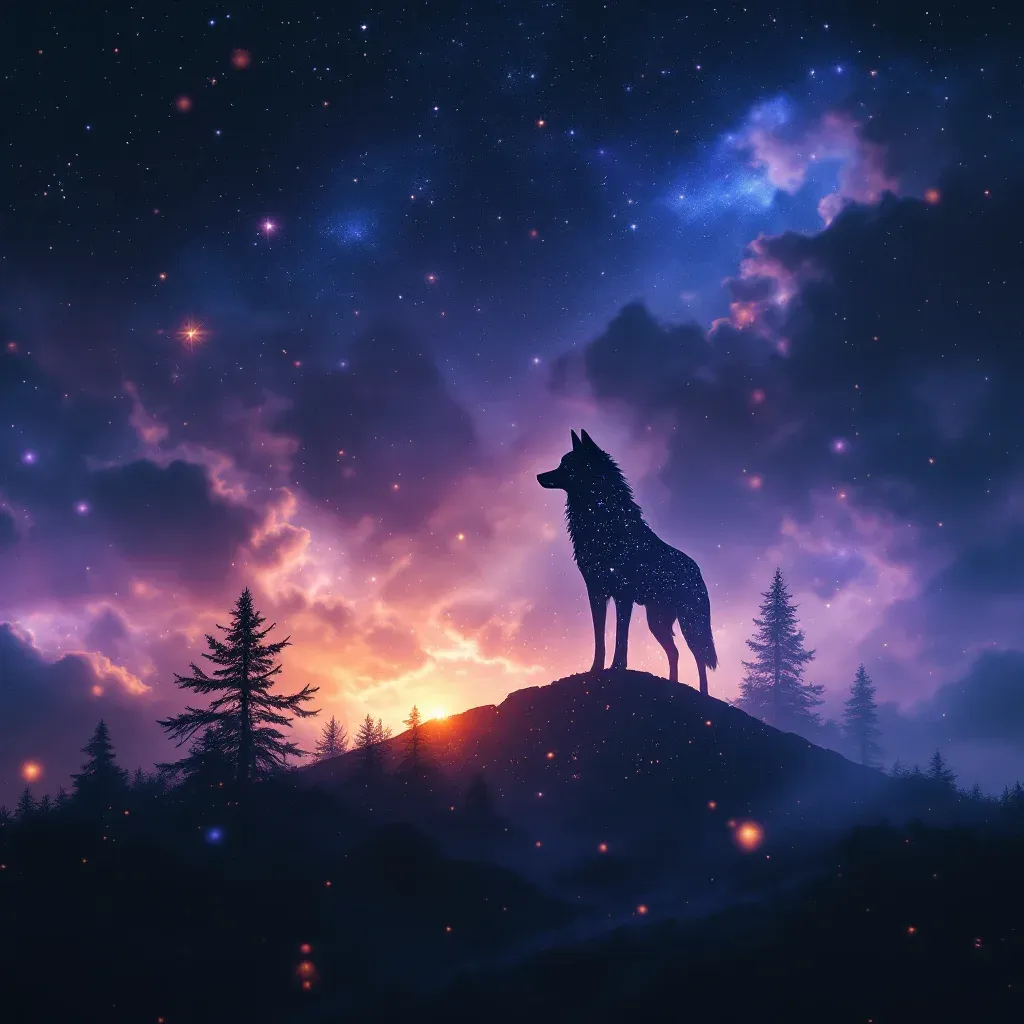
A white wolf carries a gentler sign at first glance. According to Kirmani, the color white can sometimes point to an intention that is not openly visible, yet not wholly harmful either. A dream of a white wolf may indicate that a harsh truth has arrived in a cleaner, nobler, or more awareness-bearing form. It may look threatening from the outside, but in reality it could be a force that protects, guides, or keeps you awake. From a Jungian perspective, this is a state of consciousness beginning to make peace with the shadow.
Still, the white wolf should not be considered entirely innocent. In Nablusi’s line, some bright symbols bring a hidden trial not in a blunt way, but in a graceful one. A white wolf is not always an open enemy; sometimes it is a warning dressed very well. If it came close to you, the intention of a person may not be as clear as it seems from the outside; if it stayed at a distance, your intuition may have given you a clean warning. In Abu Sa’id al-Wa’iz’s spiritual reading, whiteness can also connect with the effort to rise above the rawness of the lower self. So this dream may also carry a line of purification within its harshness.
Black Wolf
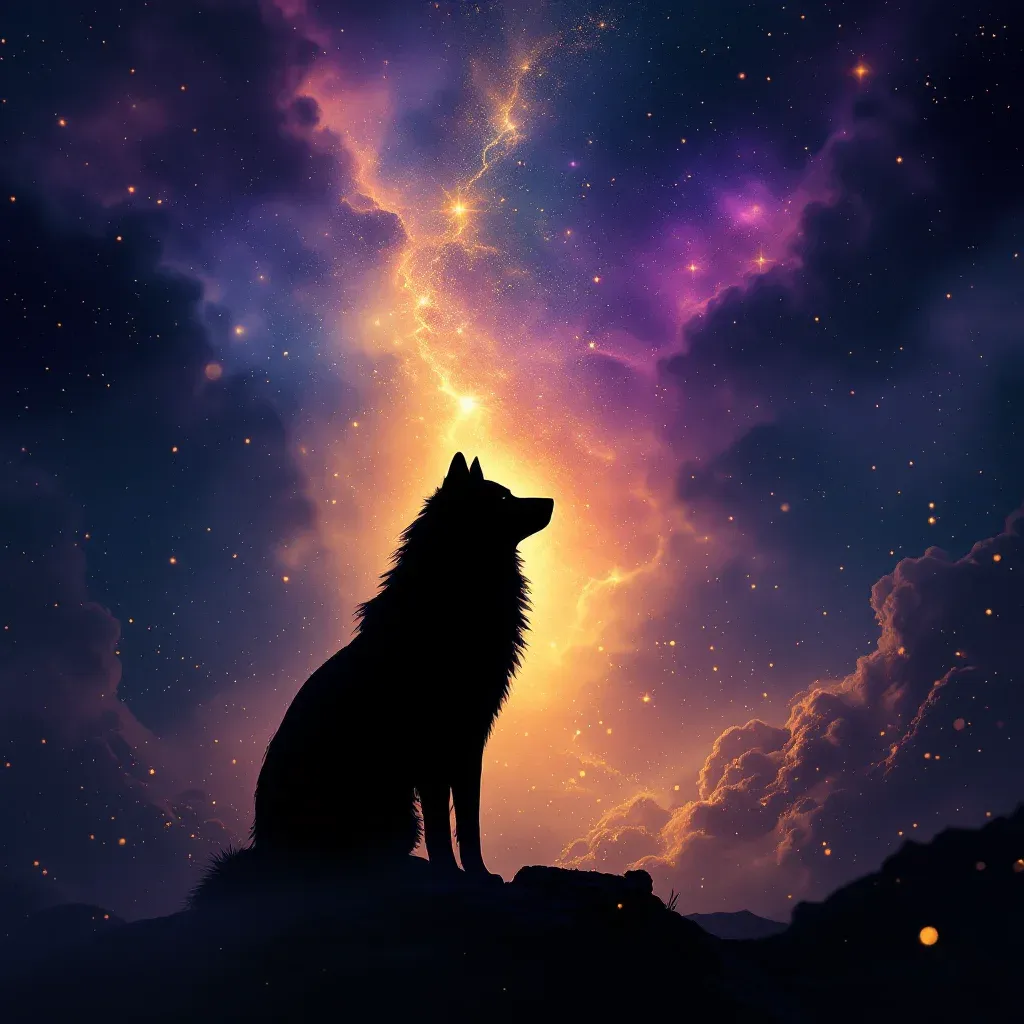
The black wolf carries the deepest shadow. In the interpretive tradition of Muhammad ibn Sirin, dark tones are often read together with concealed hostility, vague fear, and invisible pressure. Seeing a black wolf means that an unnamed tension is slowly becoming visible. This may be a person, an environment, or a heavy feeling moving through your inner world. If the black wolf was staring, following, or appearing in the night, it can be read as an alarm rising from deeper layers of the unconscious.
Kirmani associates the black wolf with a hostility that requires caution. Nablusi, however, says that black does not always mean external hostility; sometimes it reveals the dark impulse within the self. For that reason, the black wolf speaks not only of fear, but also of the quiet habits that feed fear. If you defeat it in the dream, your power to face the dark may be awakening. If you run from it, what you are fleeing may be a truth that has not yet been named.
Gray Wolf
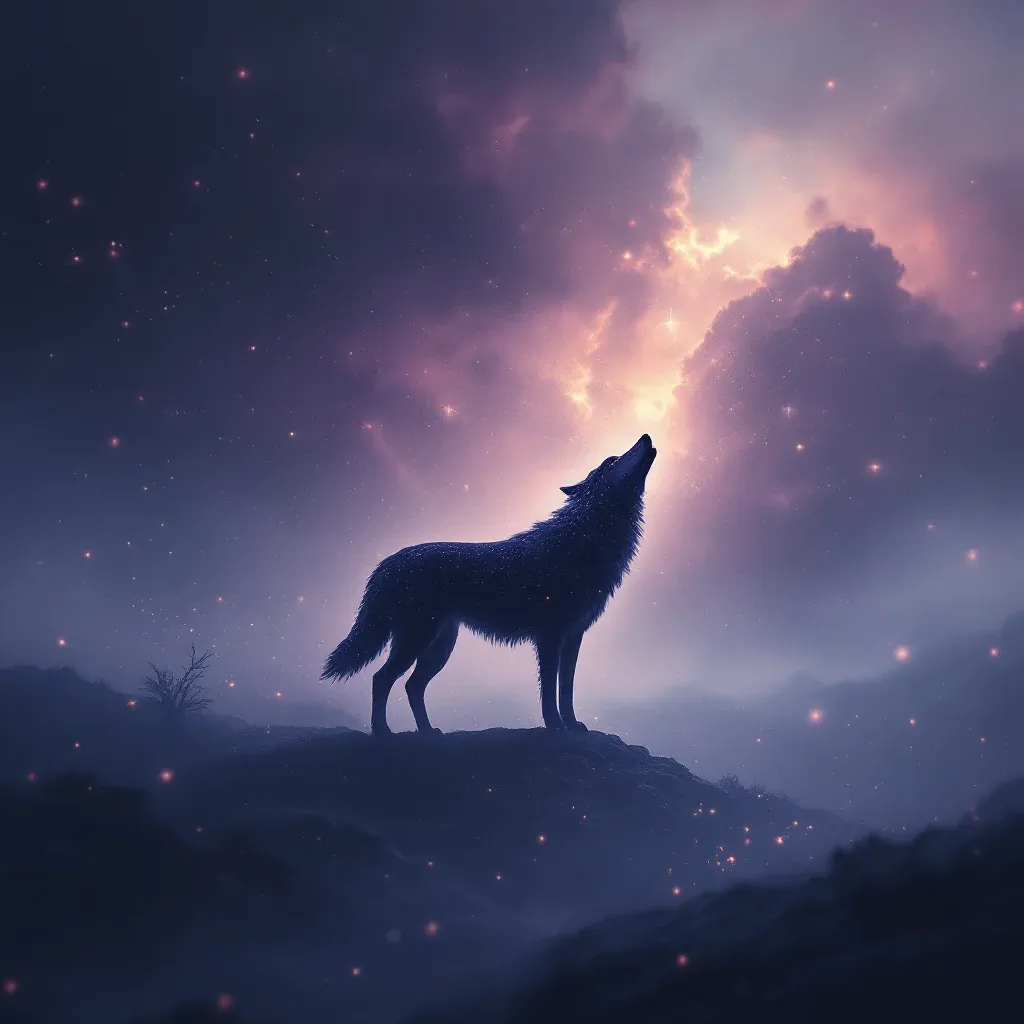
The gray wolf is the symbol of gray areas. Neither a fully open enemy nor a fully safe friend. In an interpretation close to Abu Sa’id al-Wa’iz’s style, the gray wolf may describe uncertainty, an in-between zone, or a person whose intention cannot be clearly read. Your own mind may be gray in this dream too; you may be unable to decide, while inwardly feeling doubt.
In Nablusi’s approach, intermediate colors soften the ruling of the symbol, but they do not erase it. The gray wolf may show that danger will be noticed more quietly, more subtly, and over a longer period of time. If this wolf is far away, the issue is only now being recognized. If it is circling the house, there is an area where your personal boundaries are becoming blurred. From a Jungian angle, gray is the threshold between consciousness and shadow. In other words, this dream asks for awareness before any final judgment.
Yellow Wolf
The yellow wolf often carries caution and sensitivity. In Kirmani’s readings of animals, the yellow tone can sometimes suggest illness, or weakening strength; this should be understood symbolically. A yellow wolf may describe a threat that has low energy yet still does not bring peace. Something that looks weak from the outside may be quietly wearing you down from within.
In the line of Muhammad ibn Sirin, yellow is sometimes also linked with envy. For that reason, a yellow wolf may symbolize jealous eyes, competition, or an environment that drains you. Nablusi, meanwhile, sometimes connects yellow with inner unease and mental fatigue. If the yellow wolf was watching you in the dream, you may need to stay alert to an issue that distracts your attention and drains your energy. This dream may point less to a harsh enemy and more to an exhausting atmosphere.
Brown Wolf
The brown wolf is tied to earth, instinct, and the raw feeling of survival. In the more symbolic language of Abu Sa’id al-Wa’iz, this color can point to earthly matters: money, home, safety, work, and the limits of the body. Seeing a brown wolf can also be a warning that says, “Get grounded.” A matter that is too airy, too scattered, or too deceptively reassuring may become visible through this color.
According to Kirmani, although such natural tones soften the symbol’s direct wildness a little, they still show that intention is being tested. If the brown wolf is not attacking, the matter is more about boundaries and order. If it appears in a pack, it may suggest that responsibilities piling up in daily life are surrounding you. From a Jungian standpoint, brown is bodily reality. So this dream asks you to look not only at the spiritual, but also at your concrete life structure.
Interpretation by Action
What the wolf does determines the core of the dream. A wolf is not a fixed symbol; it approaches, runs, watches, bites, protects, dies, appears in a pack, has cubs, is fed, or hunts. In the Ibn Sirin tradition, movement opens the door to meaning. The same wolf may mean hostility in one situation and release from fear in another. Here, the wolf’s behavior reveals the heart of the dream.
Wolf Cub
Seeing a wolf cub describes a power that is still small, but full of growth potential. In Muhammad ibn Sirin’s line, young animals are associated with matters still developing; here it may be a new instinct, a new defense mechanism, or a fear you have not yet named. Because it is small, it seems harmless; but as it grows, its shape changes. For that reason, a wolf cub points to an issue that should be noticed early.
Kirmani pays special attention to the beginning state of intention in symbols of young animals. If the cub seemed lovable to you, a hard matter may have entered your life through a soft beginning. Nablusi may read the cub as a growing responsibility or a forming character trait. From a Jungian perspective, this is the wild part of the shadow before it becomes savage; a force in the making. To recognize it is to manage it before it grows larger.
A Pack of Wolves
Wolves in a pack point to pressure multiplying. There is not just one threat, but a many-voiced field of tension. According to Kirmani, a pack can describe the influence of several people around you, gossip, pressure, shared intention, or the feeling of being surrounded. This dream often appears when you feel cornered in your work environment, family circle, or social life.
In Nablusi’s interpretation, a pack can mean not only the multiplication of enemies, but also the way different inner voices attack each other. There is a feeling of protection on one side and fragmentation on the other. Abu Sa’id al-Wa’iz could be read as saying that symbols of groups also reveal the crowd within a person. From a Jungian perspective, the pack is the collective pressure squeezing individual will. If the pack does not touch you, the threat is more environmental; if it runs toward you, your boundaries are being tested.
A Wolf Attack
A wolf attack is the version that demands the highest alertness. In Muhammad ibn Sirin’s interpretive line, an attack suggests the possibility of open harm, an aggressive person, or a harsh confrontation. If a wolf is attacking, someone in your life may be testing your patience, or your own suppressed anger may have reached the doorway. The body part under attack matters: an attack on the hand points to work and action; on the throat, expression and speech; on the leg, direction and movement; on the face, reputation and appearance.
Kirmani connects an attacking wolf with open hostility. Nablusi, however, sometimes sees the attack as the overflow of the lower self, meaning the dream may show not only the outside but also the inside. If the wolf attacked but did not bite you, the threat may have frightened you without causing real harm. If it wounded you, there is a trace of conflict. In Jungian terms, the attack is a forced encounter with the shadow. The issue you have been avoiding has now found you.
A Wolf Bite
A wolf bite is words that wound like a cut. In the Ibn Sirin tradition, biting is linked with harm, gossip, unjust speech, or the direct pain caused by someone’s influence. You saw the wolf, but if it bit you, the matter is no longer only fear; it has touched you. If the bite drew blood, the effect becomes more visible; if there is no blood, the ache remains more inward.
Kirmani asks who the actor is in the symbolism of biting, because sometimes it is a word from someone close, sometimes competition, and sometimes the sudden attitude of a trusted person. Nablusi also says that biting can be interpreted as the self hurting itself through the lower impulses of the ego. In Jungian terms, this is the shadow crossing the boundary. Seeing the wolf bite may be a reminder that you need to take your intuition seriously now. This dream says, “Do not underestimate what touches you.”
Being Chased by a Wolf
Being chased by a wolf is the dream of avoidance. In Muhammad ibn Sirin’s interpretation, a chasing animal often points to a matter you are trying to escape. If the wolf is chasing you, it may be a person, decision, or feeling you do not want to face. The direction of the escape matters too: running home means seeking safety, running into darkness means uncertainty, running into a crowd means seeking support.
According to Kirmani, being chased shows that the enemy has not yet fully strengthened, but has come close enough to disturb you. Nablusi sometimes connects such dreams with guilt or inner pressure. If the wolf grew tired and gave up, the matter may not have caught you completely despite your delay. If it finally caught you, the time for escape is over and the time for facing the issue has arrived. From a Jungian perspective, the more you flee from the shadow, the larger it grows.
Fighting the Wolf
Fighting the wolf is one of the most transformative moments in the dream. In Abu Sa’id al-Wa’iz’s spiritual line, struggle is tied to disciplining the lower self and finding the courage to face fear. If you stood against the wolf, your inner defense may be waking up. This is not only resistance to an outer enemy, but also resistance to surrender within yourself.
Nablusi interprets overcoming an animal attack as escaping harm and rising above the shadow. Kirmani explains defeating the wolf as gaining superiority over an enemy or removing injustice. In Jungian language, this is an important threshold on the path of individuation: fear no longer rules you, and you learn how to relate to it. If the struggle is bloody, the difficulty is greater; if it is calm yet firm, the balance of power may be shifting in your favor.
Feeding a Wolf
Feeding a wolf is a striking and powerful symbol. You may be growing with your own hands something that looks harmful from the outside. According to Kirmani, this can mean giving space to an enemy, feeding a problem without noticing it, or allowing an issue in the house to grow. But this interpretation is not limited to external hostility; sometimes a person is feeding their own harshness, anger, or fear.
In Nablusi’s approach, a fed animal points to energy that someone is trying to control. If the wolf came to you tamely and ate, it may reflect a harsh side with which you have made peace. If it bit you while being fed, something you strengthened with good intentions may be harming you. From a Jungian perspective, this is an attempt to domesticate the shadow. But not every wild thing can be domesticated; some require respect.
Killing a Wolf
Killing a wolf usually means overcoming fear, removing a threat, and closing a heavy chapter. In Muhammad ibn Sirin’s interpretive line, killing can sometimes mean clear victory and sometimes a harsh break. If the wolf threatened you and you killed it, then your defensive power has likely awakened. Yet there can also be excessive harshness here; rather than erasing every threat, it is often better to understand it.
Kirmani associates killing the enemy with victory; Nablusi says it can also be read as putting an end to the lower self’s bad impulses. In Abu Sa’id al-Wa’iz’s spiritual frame, it may mean crossing a threshold in the soul and leaving behind the weight of fear. In Jungian language, the essential point is not to destroy the shadow, but to form a new relationship with it. Still, this dream can indicate a period in which the sense of threat is weakening and your strength is returning to you.
A Dead Wolf
A dead wolf is the symbol of a threat that has ended. Something that once frightened you may now have lost its effect. In the Muhammad ibn Sirin tradition, a dead animal is often read as the weakening of harm, the fading of fear, or the closing of a period. If the wolf is dead, the person, issue, or thought that once scared you is no longer at its old power.
According to Kirmani, a dead wolf may mean the enemy has lost strength. Nablusi is more cautious with such symbols: it may point not only to the end of a threat, but also to indifference. If you feel sadness at the dead wolf, perhaps you are grieving the fading of a force within yourself. From a Jungian angle, this is the closing of one form of the shadow; an old defense dies, and a new one wants to be born. Sometimes this dream brings relief, and sometimes it asks, “What will you do now?”
Interpretation by Scene
Where the wolf appears defines the boundaries of the dream. A wolf in the house, in the street, in the forest, at the door, or coming with a pack shows which area of life the sense of threat has touched. Ibn Sirin is often read as suggesting that the scene matters as much as the symbol, because the same wolf carries a very different meaning in a different place.
A Wolf Entering the House
A wolf entering the house means an issue has slipped into your most personal space. According to Kirmani, the house represents the family, privacy, and safety; a wolf entering that space may be external harm seeping inward. Sometimes this symbol reveals tension inside the home, sometimes the intention of someone who has come through the door, and sometimes a hidden unrest within the household.
Nablusi often links an animal entering the house with disruption in inner order. If the wolf is not attacking but simply walking around inside the house, the matter has not yet caused open harm, but the boundary has already been crossed. In Abu Sa’id al-Wa’iz’s spiritual reading, this can also be understood as harsh thoughts entering the house of the heart. From a Jungian perspective, the house is the structure of the psyche; if the wolf is inside, the shadow is no longer outside but in the architecture itself.
A Wolf in the Street
Seeing a wolf in the street speaks of alertness in public life. According to Kirmani, danger seen in an open place is not hidden, but relatively visible tension. The street is movement, transition, social contact, and everyday flow. For this reason, a wolf in the street may reflect tension in a relationship, competition at work, or the insecurity you feel in a crowd.
In the Ibn Sirin tradition, symbols seen in the open often indicate that events will become public. Nablusi, meanwhile, reads animals appearing in shared spaces together with environmental influence and gossip. If the wolf stays far away, the threat has been sensed but has not yet approached. If it blocks your path, it is time to change direction. From a Jungian perspective, the street is the field of the social persona; the wolf forces that mask to crack.
A Wolf in the Forest
A wolf in the forest is a return to your natural, raw, and unfiltered space. This scene shows that fear is not only outside, but also wandering through the deep forest of the unconscious. It is one of the closest scenes to Jung, because the forest represents the psychic area that cannot be fully controlled. If the wolf is free in the forest, wild power is flowing in its own nature.
As Abu Sa’id al-Wa’iz might suggest, the forest can also describe the confusion of the world; a person loses direction within that confusion. Meeting the wolf in the forest means touching an instinctive truth. From Kirmani’s point of view, caution, direction, and the survival reflex come forward here. If the wolf is guiding you, what seemed frightening may actually be turning into guidance. If you are lost, the issue is not only the wolf; it is also finding your direction again.
A Wolf at the Door
Seeing a wolf at the door is a threshold symbol. The door marks the line between inside and outside. According to Nablusi, a threat at the door may be an influence not yet admitted, but one that must be refused. If the wolf is standing at the door, there is a person, offer, thought, or habit trying to enter your life, and you are still in the decision-making stage.
Kirmani emphasizes protection and selectivity in the symbolism of the door. If the wolf is at the door, the need for boundaries becomes clear. The door of the house, the door of the heart, the door of work… whichever one it is, there may be a trial waiting there. From a Jungian perspective, the door is the moment of transition; the wolf is the shadow appearing in that passage. To let it in or keep it out both require awareness.
Wolves Arriving as a Pack
Wolves arriving as a pack mean pressure multiplying. This scene strengthens the pack theme found in the action section, but here the environmental setting also comes into play. It may be a crowded pressure, a shared tension, or the feeling of being surrounded by a group that constrains you. Kirmani often links the feeling of multiple threats with environmental factors that deserve caution.
In Nablusi’s line, a pack can mean multiple tasks piling up or the shared effect of a group. In a reading close to Abu Sa’id al-Wa’iz, this scene may also point to the many voices within a person. From a Jungian perspective, the pack is the overflowing form of the collective unconscious. This dream speaks less of a single fear and more of feeling besieged.
Interpretation by Feeling
In dreams, feeling is half the symbol. The same wolf may leave one person in fear, another in respect, another in strange attraction, and another in calm. If the feeling changes, the interpretation changes too. Because sometimes the wolf is not an enemy, but the familiar face of suppressed strength.
Being Afraid of the Wolf
Being afraid of the wolf is the rise of an instinctive alarm. This fear is not always needless; sometimes it points to a real area where you need to pay attention. In Muhammad ibn Sirin’s interpretive line, fear is often read together with the desire to be safe. If the fear was too large, boundaries in your life may have been damaged. If you were afraid and yet the wolf did not harm you, fear may have made the threat seem larger than it was.
Kirmani interprets animal dreams accompanied by fear as the surfacing of hidden anxieties. Nablusi says that fear can sometimes carry the meaning of safety, meaning a person may fear in the dream and feel relief in waking life. From a Jungian standpoint, this is the first stage of contact with the shadow. Do not belittle fear, but do not hand over the whole house to it either.
Feeling Close to the Wolf
Feeling close to the wolf is one of the most surprising aspects of the dream. This feeling may show that you are in contact with your wild side. Jung might call this making peace with the shadow, or even meeting the stern face of your inner guide. If the wolf felt familiar rather than terrifying, you may be beginning to claim a strength that had been suppressed.
In the Ibn Sirin tradition, such closeness is interpreted alongside intention; something that looks dangerous may not turn into harm. Kirmani may read unusual calm in the face of a predatory animal as becoming aware of the enemy and gaining caution. According to Nablusi, this feeling is a recognition of the wild layers of the self. This dream may be asking you to make peace with your power.
Becoming a Wolf or Turning into One
Turning into a wolf is the most intense form of internalizing the symbol. From a Jungian perspective, this means the boundaries between persona and shadow are becoming flexible. Turning into a wolf is not always negative; sometimes it means moving toward a more determined, intuitive, and boundary-setting self. But it can also carry fears of harshness, loss of empathy, or isolation.
In the lines of Kirmani and Nablusi, becoming an animal can point to a change in a person’s state and temperament. If you felt afraid while turning into a wolf, your own hard side may have surprised you. If it felt natural, then you may be carrying your survival instincts more consciously now. In Abu Sa’id al-Wa’iz’s frame, this is the field of noticing the patterns of the lower self and disciplining them.
Talking to the Wolf
Talking to the wolf is a direct dialogue with the shadow. In Jung’s language, it means listening to a message from the unconscious. What did the wolf say to you? Did it warn you, threaten you, or show you a path? A speaking wolf is more messenger than enemy. For that reason, if you remember its words, that is likely the dream’s main key.
In the Ibn Sirin tradition, an animal speaking is unusual, but very meaningful. Kirmani may read a speaking animal as a hidden message or an unexpected truth. Nablusi says this can also be the person confronting their own inner voice. If the wolf spoke without frightening you, your intuitive wisdom may be rising. If its voice was terrifying, the dream is calling you to seriousness.
Losing the Wolf or Searching for It
Losing the wolf may mean a threat has slipped out of view, or that a force has changed direction. Searching for it means trying to catch the meaning. In the line of Muhammad ibn Sirin, losing something can sometimes mean protection is gone, and at other times it can mean fear has lost its effect. If you are searching for the wolf, you are following a vague feeling.
According to Kirmani, a searched-for symbol points to matters not yet made clear. Nablusi sometimes reads lost-animal symbols as a search for inner balance. From a Jungian perspective, this is the wolf’s shifting position in the psyche. Are you searching for the wolf, or for the feeling it left inside you? That distinction opens the deeper tone of the dream.
Trusting the Wolf
Trusting the wolf is a layered symbol. It may look strange at first, but this dream can sometimes mean trusting your strong intuition. Because the wolf is as honest as it is wild; it is what it is. From a Jungian perspective, this is the attempt to transform inner fierceness into a conscious protector rather than repressing it.
In the Ibn Sirin tradition, a trusted animal can sometimes be read positively once intention becomes clear. But when the animal is a wolf, caution never fully leaves. Kirmani would seem to say that when the symbol of the wolf is accompanied by trust, awareness and vigilance must go together. Nablusi, likewise, would advise choosing carefully which secrets need protecting. This dream reminds you that trust should not be blindness, but a conscious choice.
How did you see the wolf in this dream? With fear, with curiosity, or with a quiet inner sense that it was somehow close to you? Your answer is the main door that shapes the direction of the interpretation.
Frequently Asked Questions
-
01 What does seeing a wolf in a dream point to?
It can point to instinct, a hidden threat, or the need for protection.
-
02 What does seeing a white wolf in a dream mean?
It may suggest pure intent, lonely wisdom, or a noble warning.
-
03 Is seeing a black wolf in a dream a bad sign?
Not always; it can describe suppressed fear or a hard trial.
-
04 What does a wolf attack in a dream mean?
It suggests pressure from close circles, conflict, or the need to defend yourself.
-
05 What does seeing a wolf cub in a dream mean?
It points to a new instinct, growing strength, or a small issue that needs attention.
-
06 How should feeding a wolf in a dream be read?
It may show that you are relating to a hard emotion you are trying to control.
-
07 What does seeing a dead wolf in a dream mean?
It is read as the weakening of a threat, fear fading, or the end of a period.
✦ Just for you ✦
Write your dream,
we'll read it
If what we wrote above doesn't quite fit — tell us yours. Your own wolf dream, with its unique details, may deserve a different reading.
✦ Your dream arrived.
We'll get back to you when the reading is ready. Don't want to wait? Download RUYAN for an instant reading.
Could not reach the server.
We saved your dream locally — when you reload later, we'll auto-resend it.
Next step
This reading is a beginning. Let's look at your whole dream — if you wish.
RUYAN reads your "Wolf" dream through your life, your birth chart, and your recent dreams — one by one, just for you.